The short answer
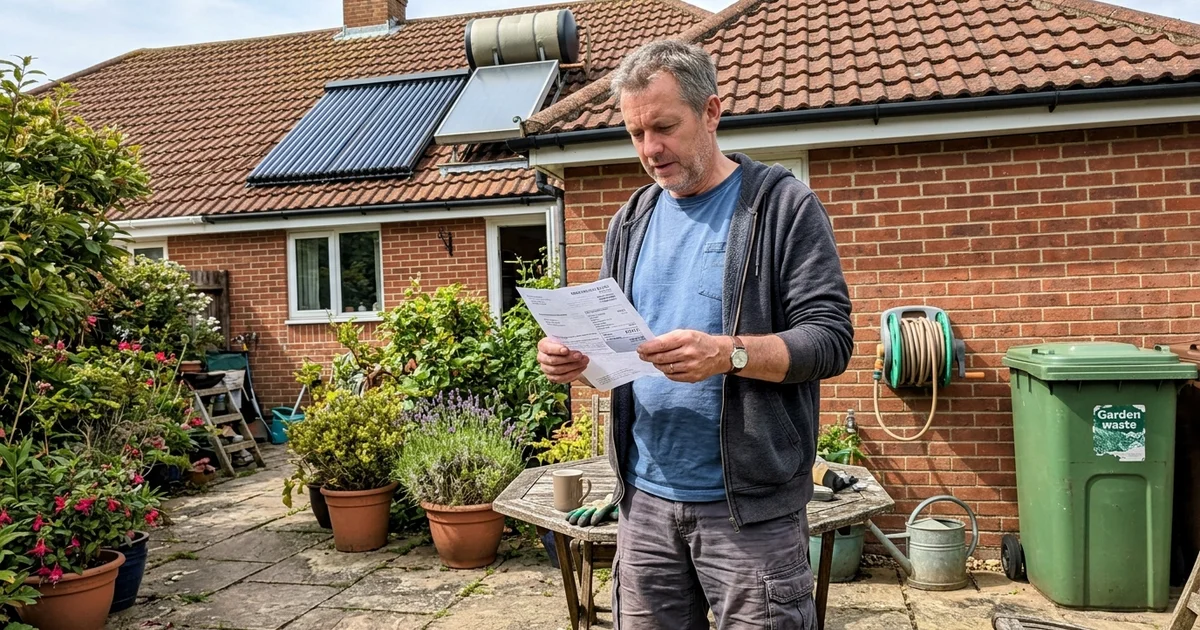
For a Perth home with unshaded north-facing roof space, solar hot water is one of the better-value upgrades available. Perth receives among the highest annual sun hours of any Australian capital, water heating accounts for roughly 25% of a typical household’s energy bill, and federal rebates reduce the upfront cost meaningfully.
For a home with a heavily shaded roof, a roof already covered in PV panels, or a structure that cannot carry a close-coupled tank, the answer changes. In those cases a heat pump usually delivers similar running-cost savings without the roof problem.
So the real question is not whether solar hot water works. It does, and it works particularly well here. The question is whether your property suits it.
What it costs, before and after rebate
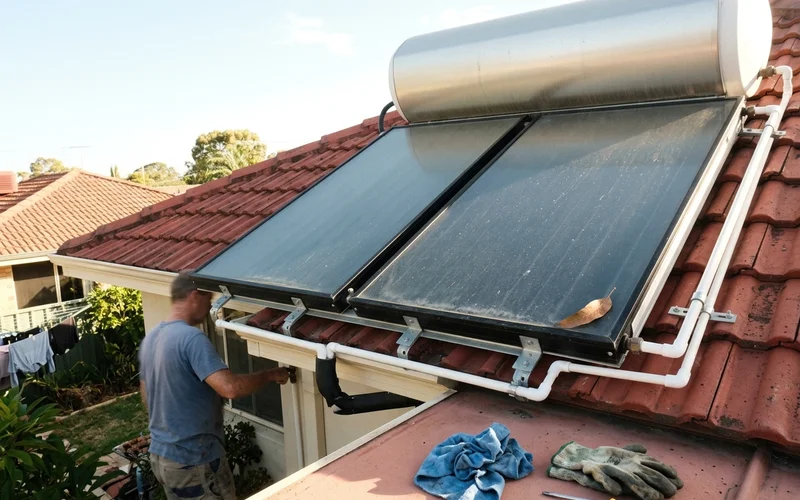
Installed solar hot water in Perth typically runs from around $2,500 for a basic close-coupled flat plate system to $6,500 for a premium evacuated tube split system, before rebates.
Western Australia has no state hot water rebate. What applies is the federal Small-scale Technology Certificate scheme, which covers eligible solar and heat pump hot water systems listed with the Clean Energy Regulator. STCs are created against the installation and their value is deducted at point of sale, typically $800 to $1,500 or more depending on the model’s deemed savings.
That brings a mid-range system into a range that is not far above a decent gas storage installation, while costing dramatically less to run.
When comparing quotes, check whether the number you are looking at is before or after the rebate. It is a common source of confusion, and two quotes for the same system can look very different on that basis alone.
Where the savings come from
Water heating is roughly a quarter of a typical Australian household’s energy bill, and it runs every day regardless of season.
A solar system displaces most of that with free energy. The booster covers the shortfall on cloudy days and during high demand, so you are not eliminating the bill entirely, you are reducing it to the top-up.
The size of the saving depends on what you are replacing:
| Replacing | Expected saving on the hot water portion |
|---|---|
| Electric storage on a continuous tariff | Largest, most of it |
| Electric storage on off-peak | Substantial |
| Gas storage | Meaningful, though from a lower base |
| Continuous flow gas | Moderate, since there are no standby losses to eliminate |
The households that benefit most are those currently paying full-rate electricity to heat water. That is where the gap is widest.
Realistic payback
Payback depends on your current system, your tariff, household size and the system you install. On typical family usage replacing electric storage, with the STC applied, payback commonly lands within a few years.
That sits comfortably inside the system’s service life. Collectors regularly run 15 to 20 years or more, with the tank, pump and controller needing attention sooner. Everything after payback is straight saving.
Two things that shorten payback: larger households, since more hot water used means more purchased energy displaced, and good roof orientation, since it directly determines solar yield.
Two things that lengthen it: a poorly configured booster that does more work than it should, and shading that has crept in as trees have grown.
When solar is not the right answer
Your roof faces the wrong way or is heavily shaded. Solar yield depends on unobstructed sun through the middle of the day. No amount of good equipment fixes a shaded roof.
Your roof is already covered in PV. Increasingly common. If PV panels occupy the north-facing area, there is often nowhere sensible to put collectors.
The structure cannot carry a close-coupled tank. A split system solves this by keeping the tank at ground level, at higher cost. Worth checking before assuming close-coupled.
You are renting or planning to sell shortly. Payback over several years does not suit a short holding period, though solar hot water does contribute to a property’s energy rating.
In all of these cases, a heat pump is worth pricing. It delivers comparable running-cost savings, sits at ground level, needs no collectors, and attracts the same STC rebate. Our guide on heat pump versus solar compares them directly.
Getting a straight answer for your property
The honest assessment takes about fifteen minutes on site: roof orientation, pitch, shading through the day, structural capacity, where the tank can go, what boosting suits your supply, and STC eligibility.
That is part of the free quote on our solar hot water service, and we will tell you plainly where a heat pump would serve you better than solar. There is no point installing collectors on a roof that cannot deliver.